

Better Meat, Fish & Dairy Choices
Choosing higher welfare and more sustainable animal products often means looking beyond labels alone. Organic and free range certifications can be useful guides, but understanding how animals are raised — and supporting farms whose values align with your own — is equally important. Independent retailers and butchers can often provide far more transparency around sourcing, welfare, and farming practices than large supermarkets.
Chicken & Poultry
Over 70% of chicken meat is produced in intensive systems, with many birds bred to grow so quickly that it can lead to lameness and health problems. Industrial farms may house tens of thousands of birds indoors without natural daylight or outdoor access.
Free range and organic systems generally provide more space, outdoor access, and slower-growing breeds. Our organic chickens come from carefully selected higher welfare farms including Wood Green Farm & Otter Valley, where birds are reared using GM-free feed and more natural farming methods.
Beef, Lamb & Pork
Most UK beef and lamb is raised outdoors, though standards still vary widely. Look for terms such as:
- Organic
- Grass-fed
- Pasture-raised
- Free range
The majority of our beef and lamb come from Welsh-based organic producer Rhug Estate, with incredible quality burgers and sausages coming from Peelharm Farm and incredible bacon from Emmetts.
Fish
Over 80% of global fish stocks are now fully exploited or overfished, making sustainable sourcing increasingly important.
The Good Fish Guide is an excellent resource for understanding which species are more sustainable and which to avoid.
Our fish is supplied by Plymouth-based Sole of Discretion.
Eggs
Free range hens have outdoor access and more freedom to express natural behaviours, while barn hens are kept indoors but uncaged. Cage systems generally offer the lowest welfare standards.
Choosing organic and free range eggs also means avoiding many intensive farming practices such as GM feed and routine overuse of antibiotics, while supporting farming systems that encourage healthier soils and greater biodiversity.
Our eggs come from The Good Egg Company in Wiltshire as well as heritage breed organic eggs from Orchard People in Dorset.
Dairy
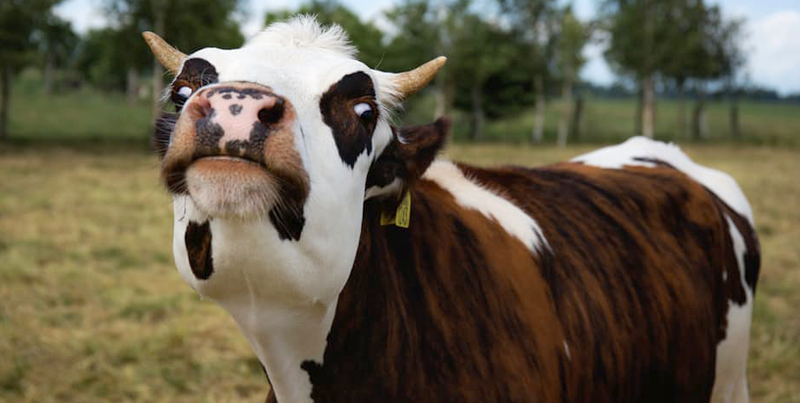
Organic dairy farming requires cows to graze on pasture during the grass growing season and generally promotes less intensive, higher welfare systems.
Many conventional dairy cows have been selectively bred for extremely high milk yields, which can contribute to lameness, mastitis, and fertility problems. Organic systems typically prioritise slower production, improved welfare, and more natural grazing practices.
Our main organic milk supplier is Bruton Dairy, while Jess’s Ladies available at our St Werburghs store. They provide non-homogenized milk where the cream naturally rises to the top rather than being mechanically dispersed throughout the milk.
Most milk is pasteurised to reduce harmful bacteria and improve shelf life, while raw milk remains a subject of ongoing public health debate. Raw milk cannot be purchased from supermarkets or high street shops.